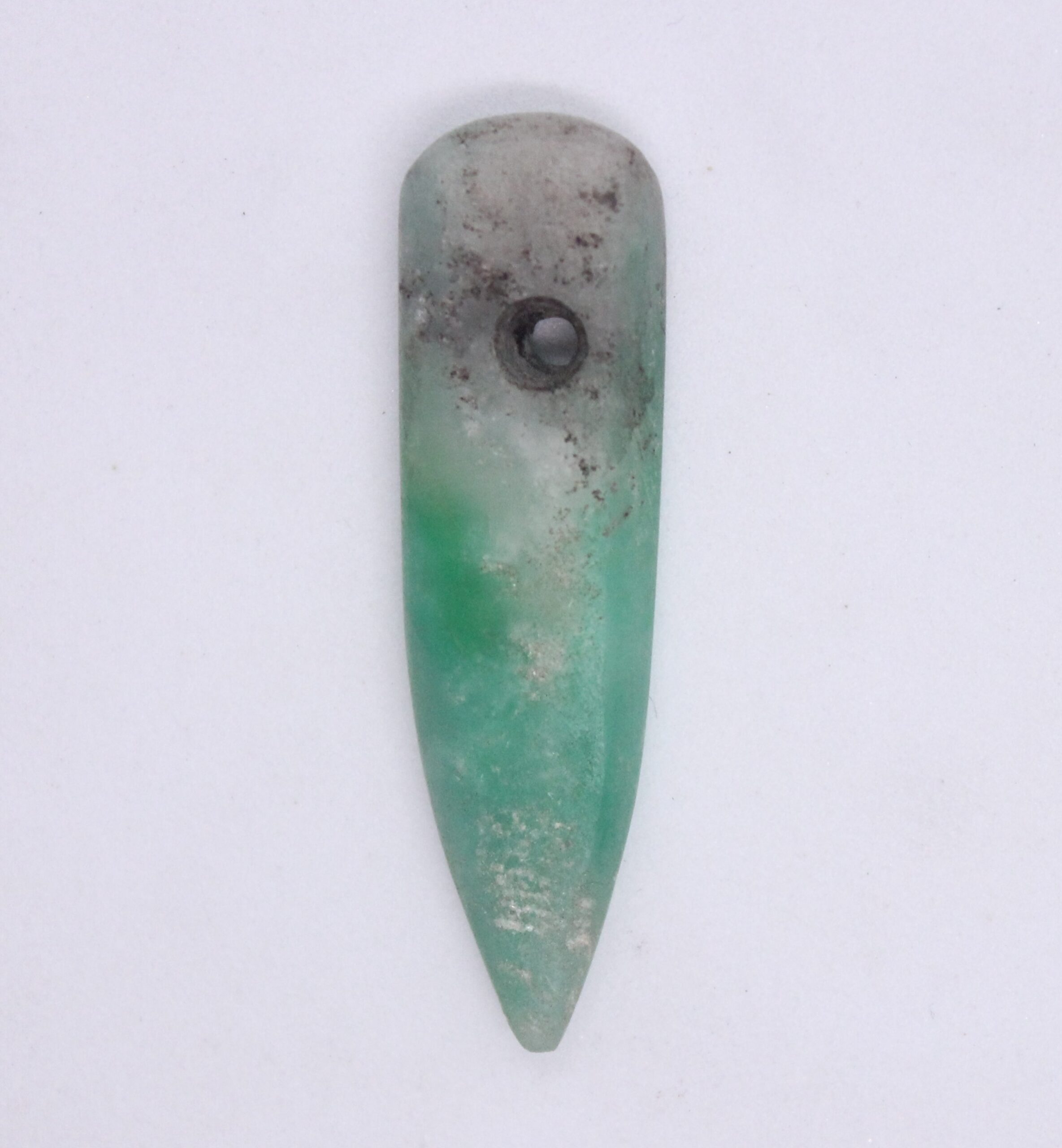
Currency in Ancient Japan
From the late 7th century to the mid-10th century, currency in ancient Japan was created and circulated under state leadership, modeled after the system of China (the Tang Dynasty).
⇒Japanese Old Coin page
The Palaeolithic Age
It is said that humans migrated from the continent to the Japanese archipelago in pursuit of animals such as the mammoth more than 40,000 years ago, although the exact details remain unclear.
Humans at that time did not use pottery, but instead relied on chipped stone tools to lead a life of hunting and gathering. This era lasted until approximately 16,000 years ago.
Incidentally, during excavation work at the Sunahara Site in Izumo City, Shimane Prefecture, in 2009, stone tools were unearthed from layers dating from approximately 120,000 to 70,000 years ago. This site attracted attention as one of the oldest archaeological sites in Japan.
Jōmon Period (Neolithic Period)
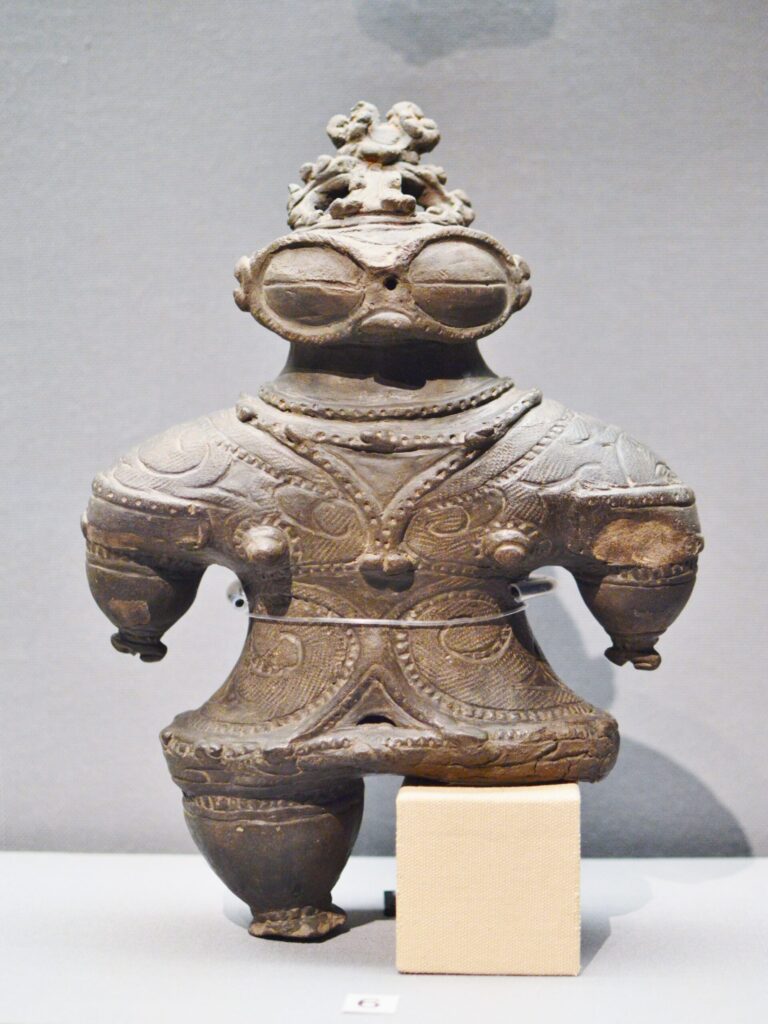
The Jōmon period was an era that spanned from approximately 16,000 years ago to around the 4th century BCE (about 2,300 years ago) on the Japanese archipelago. It is known for a sedentary lifestyle based on gathering, hunting, and fishing rather than agriculture or livestock raising, and for producing distinctive “Jōmon pottery” and “clay figurines” that reflect the spiritual culture of the time.
The most distinctive feature of Jomon pottery is the “Jomon” (cord-marked) pattern on its surface, created by rolling a rope made of twisted plant fibers over the clay.
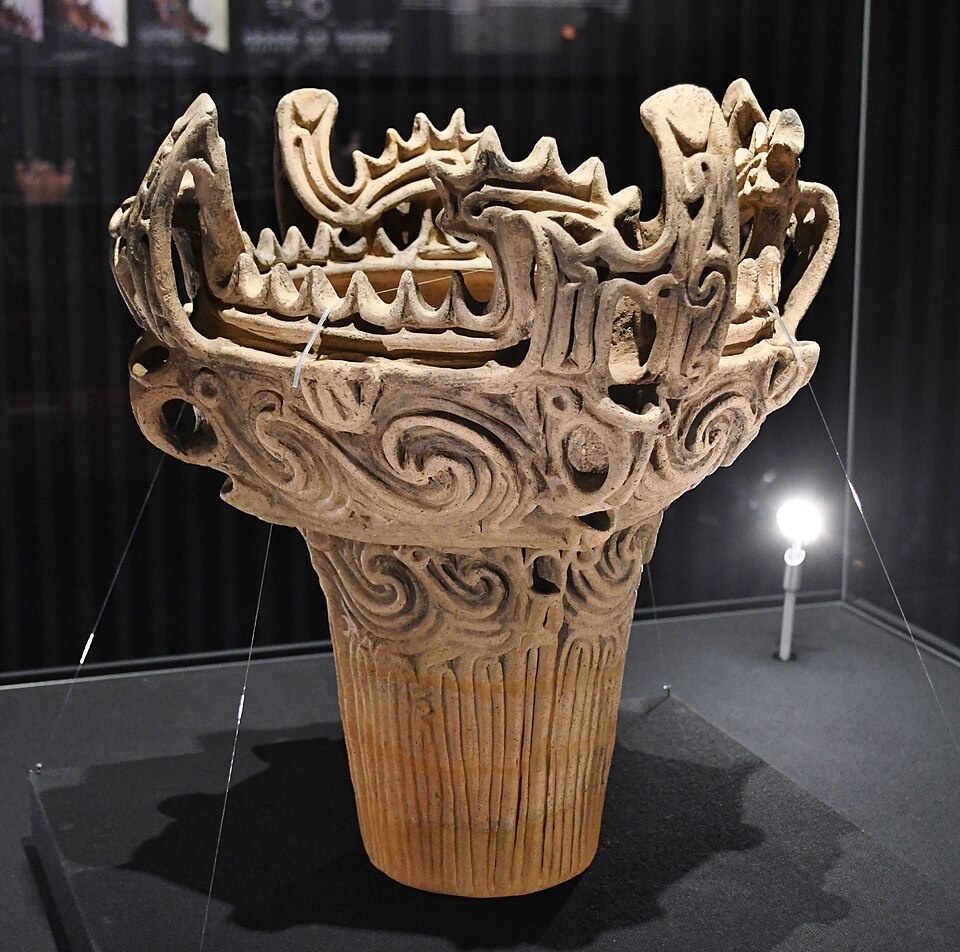
https://ja.wikipedia.org/wiki/%E3%83%95%E3%82%A1%E3%82%A4%E3%83%AB:%E7%AC%B9%E5%B1%B1%E9%81%BA%E8%B7%A1%E5%87%BA%E5%9C%9F_%E7%81%AB%E7%84%94%E5%9E%8B%E5%9C%9F%E5%99%A8_(%E6%B7%B1%E9%89%A2%E5%BD%A2)_(%E5%9B%BD%E5%AE%9D%E6%8C%87%E5%AE%9A%E7%95%AA%E5%8F%B71).JPG
Deep-bowl-shaped Pottery (Flame-shaped Pottery) Middle Jōmon Period; Excavated from the Sasayama Site, Tokamachi City, Niigata Prefecture; Collection of the Tokamachi City Museum; National Treasure
The Mysterious Fourth Century
The term “The Mysterious Fourth Century” refers to the approximately 150-year period from A.D. 266 to around A.D. 413, during which references to Japan (Wa) disappeared from Chinese historical records. It has long been considered the greatest mystery in the history of Japan’s nation-building, bridging the era of Queen Himiko (the 3rd century) and the era of the “Five Kings of Wa” (the 5th century).
In ancient Japan, rice, cloth, salt, and other items were used in place of currency. Later, in the late 7th century (around 683), coins first appeared.
⇒Go to the page on old Japanese coins

_(%E5%9B%BD%E5%AE%9D%E6%8C%87%E5%AE%9A%E7%95%AA%E5%8F%B71).JPG)