Old Coins

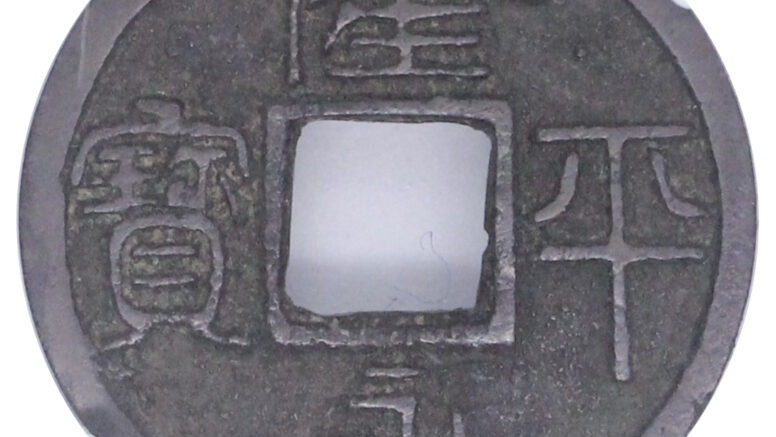
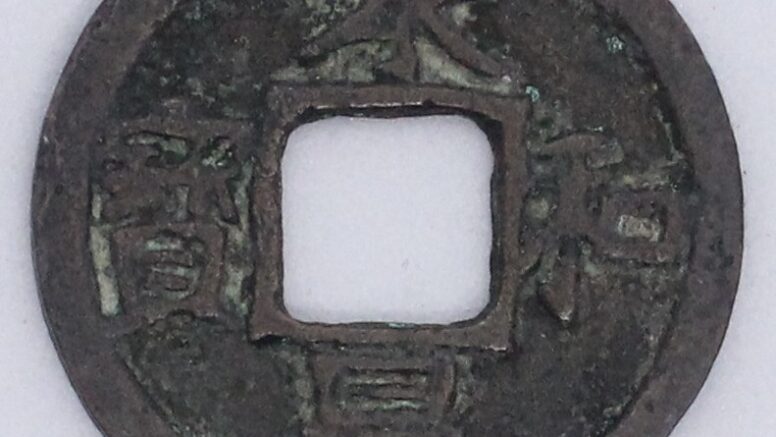
Japanese Ancient Coin No.6 ” Jowa Shoho 承和昌宝 “

This ancient coin is a copper coin that was minted and issued starting in the second year of the Jōwa era (835) during the Heian period. It is considered the sixth coin to be issued among the “Twelve Imperial Coinages.” It is also regarded as Japan’s first currency to feature the era name at the top of the coin’s inscription.
Local Legends of JAPAN

The Origin of the Name “Mount Fuji”

There is no definitive theory regarding the origin of the name “Mount Fuji,” and several theories have been passed down.The most well-known theories include one that traces the name to the “elixir of immortality” featured in The Tale of the Bamboo Cutter—considered Japan’s oldest story—and another that describes it as “a mountain rich in warriors.”The Tale of the Bamboo Cutter is a Japanese story compiled during the early Heian period (late 9th century to early 10th century). Although the author is unknown, it is recognized as the oldest surviving Japanese narrative (fictional story).
Commemorative Coins

The 60th year of the Emperor on the throne 500 Yen Cupro-nickel Coin

This coin was issued in Showa 61 (1986) to commemorate the 60th anniversary of Emperor Showa’s reign.The obverse features the “Shishinden” hall at the Kyoto Imperial Palace, while the reverse features the “Imperial Chrysanthemum Crest.”
Modern Coins

5 Sen Cupronickek Large Size

The large 5-sen white copper coin is a coin with a hole in the center that was issued in Japan from Taishō 6 (1917) through Taishō 9 (1920).
Commemorative Coins

National Park System Commemorative Coin No.12 Yoshino-Kumano National Park

This coin was issued to commemorate the 100th anniversary of the National Park System.The 11th coin in the series features Nachino-Otaki Falls, Odaigahara salamander, and Japanese mountain cherry.
Commemorative Coins

National Park System Commemorative Coin No.13 Daisen-Oki National Park

This coin was issued to commemorate the 100th anniversary of the National Park System.The 13th coin in the series features Mt. Daisen and Daisen Japanese yew.
Local Legends of JAPAN

About ancient Japan

Currency in Ancient JapanFrom the late 7th century to the mid-10th century, currency in ancient Japa...
Local Legends of JAPAN

Magatama

Magatama are pieces of jewelry used in ancient Japan. They are also famous as one of the Three Sacred Treasures.Most are C-shaped and made of materials such as jade or stone. While their unique shape is said to represent a “fetus” or the “moon,” it is not clearly understood what they actually symbolize. The Magatama of the Three Sacred Treasures are legendary artifacts that even those involved in their preservation have never seen in person; however, since numerous examples have been excavated from archaeological sites dating back to the Jōmon and Kofun periods, it is believed they likely share a similar shape.
Local Legends of JAPAN

The Three Sacred Treasures

In Japanese mythology, the Three Sacred Treasures are the three treasures that Amaterasu (the Great Sun Goddess) bestowed upon Ninigi (Ninigi-no-Mikoto) during the Descent of the Heavenly Grandchild.They refer to the Yata Mirror, the Sword of the Heavens (Kusanagi-no-Tsurugi), and the Yasakani-no-Magatama.
Commemorative Coins

National Park System Commemorative Coin No.11 Aso-Kuju National Park

This coin was issued to commemorate the 100th anniversary of the National Park System.The 11th coin in the series features Five Aso Mountains, Kuju Highland, and Echinops setifer.
Copied title and URL