
Mumon ginsen(無文銀銭)
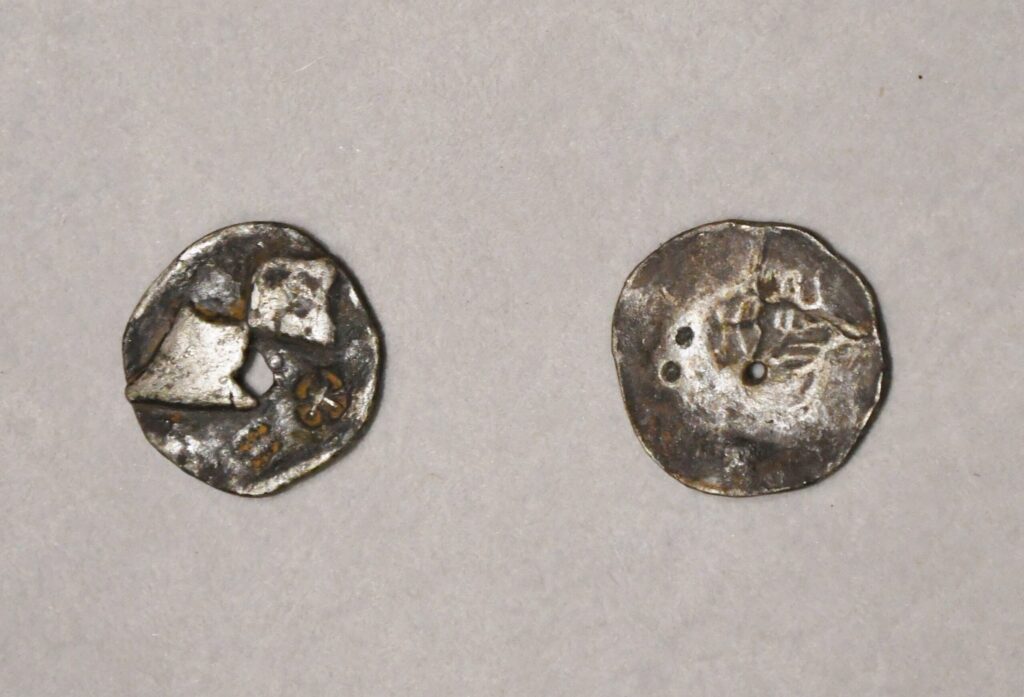
- Photograph of an Unmarked Silver Coin1
- Unmarked silver coins (mumon ginsen) are circular silver coins minted in Japan during the late 7th century (Asuka period, reigns of Emperor Tenji and Emperor Tenmu). They lack inscriptions or patterns on their surfaces. Measuring approximately 3 cm in diameter and weighing about 10 g, they were weight-based currency traded for their intrinsic silver value. It is highly likely to be Japan’s oldest cast coin, circulating in an era preceding the Wado Kaichin (708).
Wado Kaichin(和同開珎) 708-
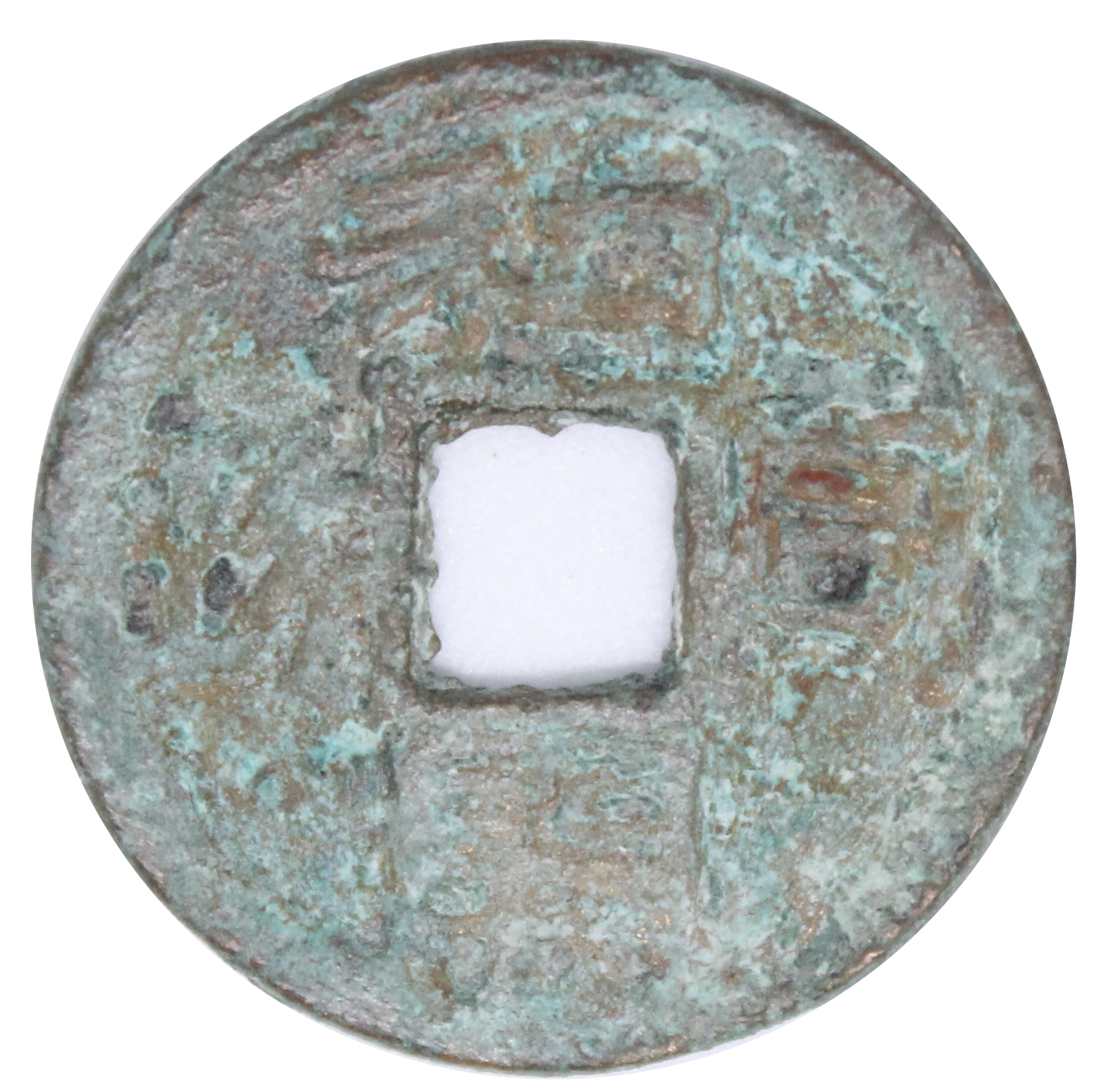
The Wado Kaichin (Wado Kaichin/Wado Kaihou) was Japan’s first metal coin, issued in 708 (the first year of the Wado era). It was the first coin of the Imperial Twelve Coins series and was once considered Japan’s oldest cast coin, but with the discovery of the Fuhon sen(coin), it is now recognized as “Japan’s oldest circulating coin.”
Kocho Junisen(皇朝十二銭)
Kōchō Jūnisen (皇朝十二銭) (also known as Jūnizeni) is a general term for 12 types of copper coins minted in Japan under the Ritsuryō system from 708 (Wadō 1st year) to 963(Ōwa 3rd year).
| Wado Kaichin/Wado Kaihou 和同開珎 708-765 | |
| Mannen Tsūhō 万年通宝 760-765AD | |
| Jinkou Kaihō/Jingo Kaihō/Jingu Kaihō 神功開宝 760- | |
| Ryuhei Eihō 隆平永宝 796- | |
| Fuju Shinpo 富寿神宝 818- | |
| Jowa Shoho 承和昌宝 835- | |
| Tyounen taiho 長年大宝 848- | |
| Jyouyaku Shinpo/Nyouyaku Shinpo/Nyoueki Shinpo饒益神宝 | |
| Jōgan Eihō 貞観永宝 870- | |
| Kanpyo Taihō 寛平大宝 890- | |
| Engi-Tsūhō 延喜通宝 907- | |
| Kengen Taiho 乾元大宝 958-963 |
In Japan, the circulation of coins ceased by the early 11th century, leading to a 150-year gap in metallic currency. During this period, silk, cloth (hemp cloth), and rice served as currency.
Foreign Coins (around the 11th century)
The issuance of the Twelve Imperial Dynasty Coins ceased after the Ken’en and Taihō periods (958–963). Japan’s coin production halted, creating a period of monetary stagnation. By the late Heian period, commodity trade flourished and demand for coins grew. However, Japan had lost its coin minting capability and primarily relied on coins imported directly from China.
Kan’ei Tsūhō(寛永通宝) 1636-
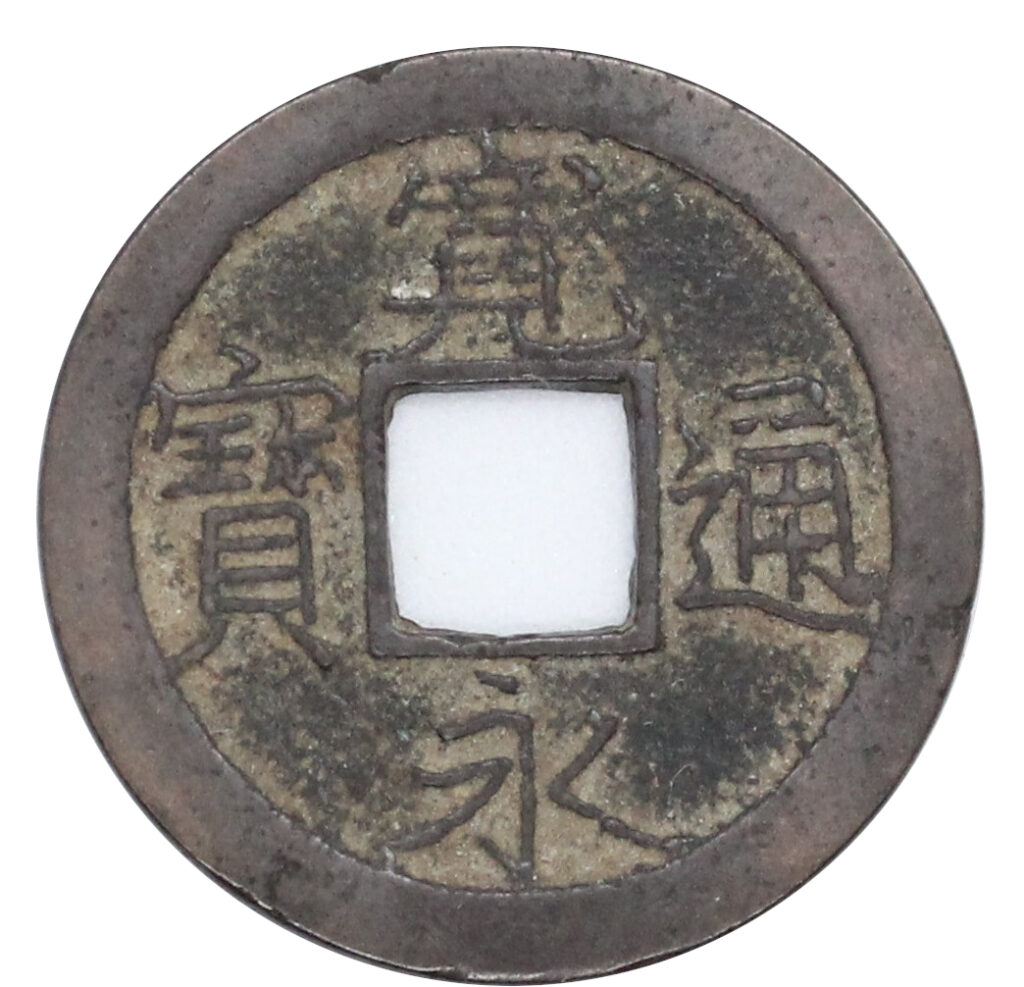
Kan’ei Tsuuho was a widely circulated coin during the Edo period in Japan.
It was first minted in 1636 and continued to be minted until the end of the Edo period.
The classification by age is mainly divided into two categories, which are called”Ko(Old)-Kanei Sen” and “Shin(New)-Kanei Sen”.
(Please have a look at the link below.)
⇒Page about the classification of Shin(New)-Kanei Sen(coin)
Daiba Tsuho (台場通宝)
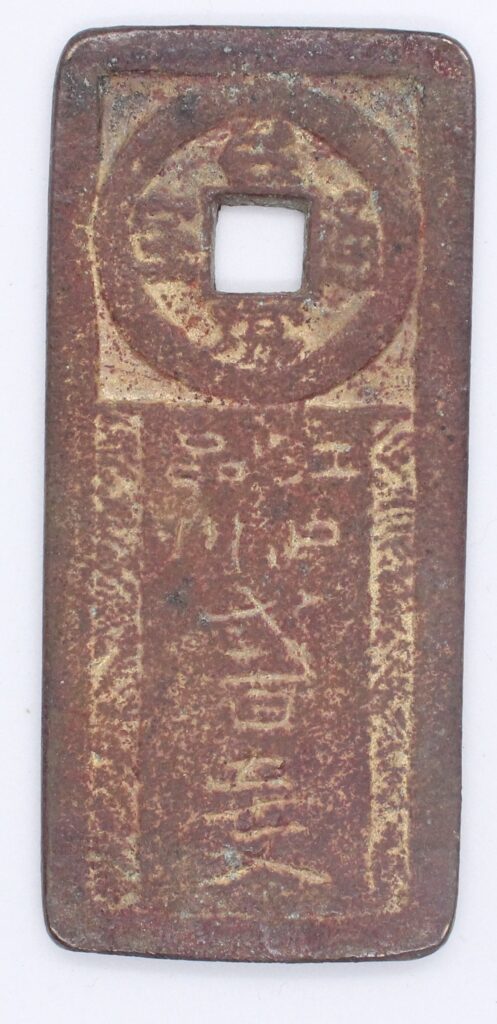
These coins are said to have been provided to craftsmen during the construction of the Odaiba at the end of the Edo period.
It is an unidentified coin that we do not know if it ever really existed.
(Please have a look at the link below.)
⇒Daiba Tsuho 250 Mon Coin imaginary money Japanese Old Coin
Exhibited at the National Museum of Japanese History.
https://upload.wikimedia.org/wikipedia/ja/4/47/%E7%84%A1%E6%96%87%E9%8A%80%E9%8A%AD_%28%E8%A4%87%E8%A3%BD%29.JPG ↩︎
